How to start day trading in 2026 with a step-by-step beginner roadmap that builds skills before risking capital
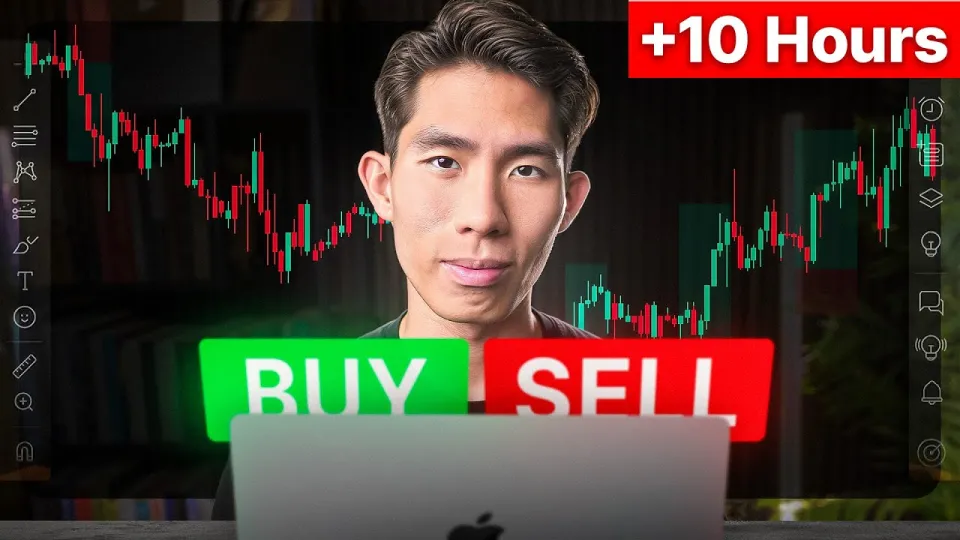
Video: How to Start Day Trading in 2026 (Full 10-Hour BEGINNER Course)
Want articles like this for your own video to promote it on YouTube and Google? Order them through the Telegram bot @sat_sit_bot. It writes articles around your video, embeds the video and publishes them on popular niche websites (no ads). Try it free: 50 articles on us.
· based on the channel Brad Goh (The Trading Geek)
Key takeaways
- Brad Goh (The Trading Geek) released a 10-hour beginner course covering forex foundations, SMC, and mechanical strategies.
- The course is split into four chapters: foundations, technical analysis, proven strategies, and mindset.
- Key concepts include market structure, liquidity, order blocks, and risk management.
- A free 33-day Market Mechanics Mentorship is available via the channel.
- The 1% Club mentorship offers 600+ lessons and 32 live coaching calls per month.
Day trading in 2026 rewards those who treat it as a skill-building process, not a get-rich-quick scheme. The core answer is to learn market mechanics first, practice on a demo account with a mechanical plan, and only risk real capital after proving consistency. Brad Goh (The Trading Geek) lays out this exact path in his full 10-hour beginner course, and you can access his free 33-day Market Mechanics Mentorship here: free 33-day Market Mechanics Mentorship.
Why a structured trading education beats random YouTube clips
A structured curriculum prevents the fragmented learning that leaves most beginners confused after months of watching random videos. Brad Goh's course is organized into four chapters that build on each other: foundations of forex trading, technical analysis using Smart Money Concepts (SMC) and market mechanics, proven mechanical strategies, and a seven-figure mindset. Each chapter has a clear purpose, so you always know what to learn next and why it matters. This sequence mirrors how professionals actually develop: first understand the instrument and the tools, then read price action, then execute a repeatable plan, and finally manage the psychological demands of trading.
The four pillars of the beginner course
The course covers four pillars that every aspiring day trader must master. Chapter 1 introduces forex basics, essential trading tools, how to target $10,000 per month, and how to create a mechanical trade plan. Chapter 2 dives into technical analysis with market structure, multi-timeframe analysis, institutional supply and demand, flip zones, order blocks, inducements, liquidity concepts, order flow, and a risk management crash course. Chapter 3 presents proven mechanical strategies: market phases, a three-step framework, sniper entries, 1-minute scalping, and a simplified trade plan. Chapter 4 focuses on the seven-figure mindset with daily routines, a funded blueprint, focus and work habits, and millionaire trader mindset and habits. Together, these pillars form a complete education that you can revisit as you progress.
How to build a mechanical trade plan before you go live
A mechanical trade plan removes emotion by defining exactly when to enter, exit, and size a position. Start by choosing one strategy from the course—such as the sniper entry or the three-step framework—and backtest it on at least 100 historical setups. Record the entry criteria, stop-loss placement, take-profit targets, and risk per trade (typically 1% of your account). Then forward-test on a demo account for 30 to 50 trades, journaling every decision. Only after you see a consistent edge should you risk real money. This process is emphasized in the course's first chapter, where Brad Goh walks through creating a mechanical trade plan step by step.
Common beginner questions answered
Beginners often wonder how much capital they need, whether they should quit their job, and how long it takes to become profitable. The course addresses these concerns directly: you can start with a small account (even $500) but must adjust position sizes accordingly; trading is a skill that takes months or years to develop, so keeping a stable income is wise; and profitability comes from consistency, not from a single big win. Many viewers of the course share their struggles with losing trades and the temptation to give up. The key is to treat losses as data, review your journal, and refine your plan rather than abandoning it. The course's risk management crash course and mindset chapter are designed to help you navigate these psychological hurdles.
Useful resources from the course
Brad Goh provides several tools to support your journey. The 1% Club mentorship offers 600+ in-depth lessons, 32 live coaching calls per month, weekly live trading sessions, daily chart markups, and a community of over 1,300 traders. EdgeFlo is an all-in-one trading platform for journaling, risk management, and discipline. Recommended brokers and prop firms are also listed. Here are the links exactly as provided:
Final thoughts on starting your trading journey
Starting day trading in 2026 requires discipline, education, and a willingness to practice before risking real money. Brad Goh (The Trading Geek) offers a comprehensive 10-hour beginner course that covers everything from forex basics to advanced SMC concepts and trading psychology. Use the free 33-day Market Mechanics Mentorship to build your foundation, and consider joining the 1% Club for structured mentorship and community support. Remember that trading is a marathon, not a sprint—focus on consistency and continuous improvement. Apply for the mentorship here: 1% Club mentorship application.
Questions & answers
How much money do I need to start day trading?
You can start with as little as $500, but the key is to adjust your position size and risk per trade accordingly. Many brokers offer micro lots, which allow you to trade with smaller capital. The course recommends focusing on percentage returns rather than dollar amounts when you begin.
How long does it take to become profitable?
Profitability is highly individual and depends on the time you dedicate to learning and practicing. Most traders need at least 6 to 12 months of consistent effort, including backtesting and demo trading, before they see reliable results. The course emphasizes that consistency comes from a mechanical plan and disciplined risk management.
Is the 10-hour course suitable for complete beginners?
Yes, the course is designed for beginners and starts with forex basics before moving to advanced concepts. It is structured in four chapters that build on each other, so you can follow along even with zero prior knowledge. The course also includes a risk management crash course and mindset lessons.
What is Smart Money Concepts (SMC) and do I need it?
SMC is a trading methodology that focuses on institutional order flow, liquidity, and market structure to identify high-probability entries. While not mandatory, it is the core of the course's technical analysis chapter and can help you understand why price moves the way it does. Many traders find it useful for filtering out false signals.
Source: How to Start Day Trading in 2026 (Full 10-Hour BEGINNER Course) · Markdown version